

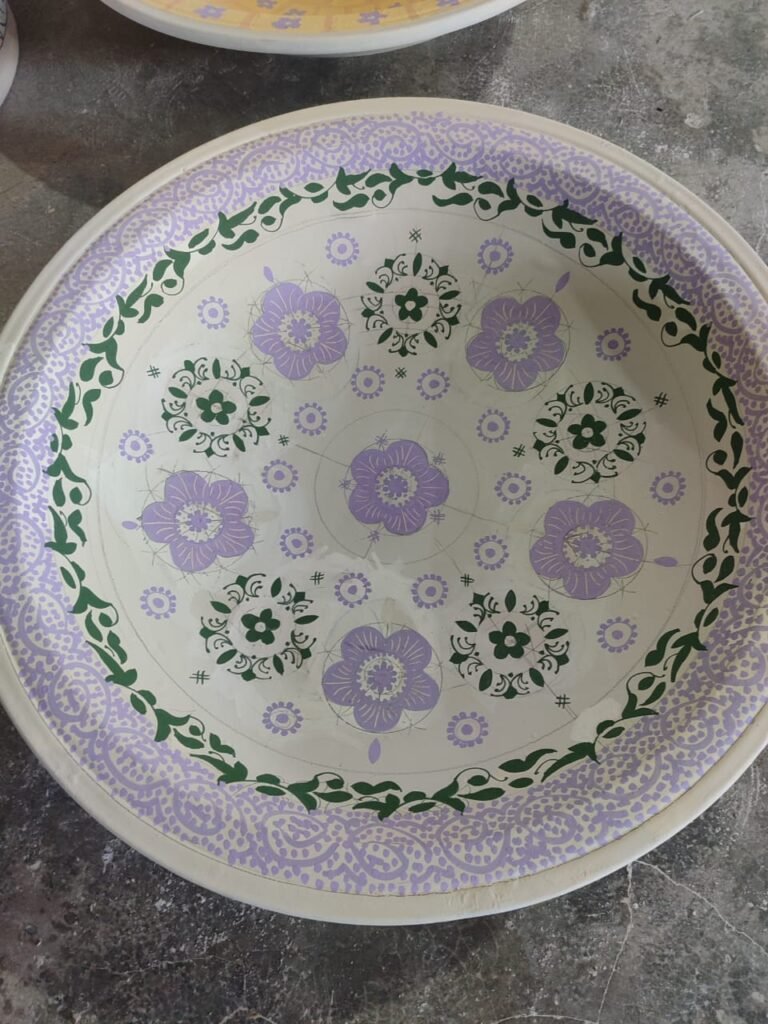
Understanding Moroccan Handmade Projects
Moroccan handmade projects are a celebrated aspect of the kingdom’s rich cultural heritage, representing a blend of tradition and artistry that has been refined over centuries. These creations are not merely objects; they embody the essence of Moroccan life, incorporating influences from Berber, Arab, and Andalusian cultures. The meticulous craftsmanship involved ensures that each piece is unique, often telling a story or showcasing the skill of the artisan behind it.
The diversity of materials used in these projects is striking. Artisans often incorporate local resources such as wood, metal, leather, and clay. For instance, handcrafted furniture made from cedar or walnut showcases beautiful intricate carvings, while textiles woven from natural fibers reflect the vibrant colors of the Moroccan landscape. This multifaceted approach allows for a vast array of products, ranging from beautifully crafted furniture to exquisite decorative items, each possessing its character and charm.
In recent years, there has been a growing appreciation for products that promote sustainable practices and ethical craftsmanship. Opting for handmade craftsmanship not only supports local artisans but also reduces the environmental impact associated with mass production. Embracing the art of Moroccan handmade projects brings an authentic touch to any space, whether it be through intricately designed lamps, colorful rugs, or ceramic vases. These pieces often serve as conversation starters and add a layer of warmth and sophistication to interior decor.
Ultimately, the allure of Moroccan handmade projects lies in their unique character, cultural significance, and the passion invested in their creation. Choosing to incorporate these handcrafted items into one’s home enables an individual to celebrate and appreciate the artistry and tradition of Morocco, enriching any environment with its authentic flair.
The Importance of Choosing a Trusted Contractor
When embarking on Moroccan handmade projects, selecting a trusted contractor is paramount to their success. A reliable contractor not only brings skill and expertise but also instills confidence throughout the duration of a project. Engaging with unverified contractors can expose clients to numerous risks, such as project delays, substandard workmanship, and ultimately, financial losses. Issues frequently arise when contractors lack the necessary qualifications or a proven track record, leading to dissatisfaction and unmet expectations.
One of the most significant challenges of working with unverified contractors is the inconsistency in project timelines. Delays can stem from a variety of factors, including poor project management or inadequate resources. Such setbacks can strain budgets and deadlines, causing frustration for all parties involved. Therefore, it is critical to ascertain the reliability of a contractor before committing to a project.
In contrast, partnering with a reputable contractor ensures that quality workmanship is at the forefront. Seasoned professionals in the Moroccan handmade market understand the intricate details and techniques that contribute to superior craftsmanship. They maintain rigorous quality standards, which can enhance the overall aesthetic and functional value of the project. Furthermore, a trustworthy contractor often possesses established relationships with suppliers and artisans, which can expedite the procurement of materials and skilled labor.
Moreover, a solid reputation often translates into accountability. Reputable contractors are more likely to honor their commitments, providing timely updates and addressing any concerns that may arise. This transparency fosters a collaborative environment that is conducive to successful project outcomes. Therefore, the benefits of engaging a trusted contractor are manifold, encompassing quality craftsmanship, adherence to timelines, and the assurance of a satisfactory result.
Top Qualities to Look for in a Moroccan Handmade Projects Contractor
When seeking a reliable Moroccan handmade projects contractor, it is essential to identify several key qualities that distinguish professionals in the field. One of the primary attributes to consider is experience in the industry. A contractor with extensive years of involvement and a deep understanding of traditional Moroccan artistry will be better equipped to meet the specific demands of handmade projects, ensuring authenticity and quality.
A solid portfolio that showcases previous work is another crucial factor. This portfolio serves as a visual testament to the contractor’s skills and craftsmanship, allowing you to assess their style and capabilities. It is advisable to request examples of past projects that are similar to what you envision for your own needs, as this will provide insight into their range and specialty.
Positive customer reviews further enhance the credibility of a contractor. These testimonials provide valuable information regarding the contractor’s reliability, professionalism, and the overall satisfaction of previous clients. Looking for feedback on platforms like social media or dedicated review sites can guide you toward making an informed decision.
Transparent communication practices are also paramount. A contractor who is open and responsive to your inquiries will foster a collaborative atmosphere, making the project run more smoothly. It is important that they clearly articulate their processes, costs, and timeline, ensuring that you remain engaged and informed throughout the project.
Finally, a commitment to using high-quality materials is essential for the longevity and appeal of handmade projects. Inquire about the types of materials used and the procurement process. This diligence will reflect the contractor’s dedication to delivering exceptional craftsmanship. By assessing these attributes carefully, you can identify a trustworthy Moroccan handmade projects contractor who will bring your vision to life effectively.
When seeking a reliable contractor for Moroccan handmade projects, it is essential to explore various resources that can assist in identifying trustworthy artisans. One effective starting point is to consult industry associations that specialize in handmade crafts. These organizations often maintain directories of vetted professionals, providing insight into their credentials and experiences. Engaging with such associations can facilitate access to skilled contractors who uphold quality standards in their work.
Additionally, local artisan markets serve as vibrant venues where potential contractors display their handcrafted items. Visiting these markets enables individuals to meet artisans directly and assess the quality of their work firsthand. Personal interactions can also provide an opportunity for potential collaboration, as discussing project ideas face-to-face fosters rapport and understanding.
In the digital age, leveraging online platforms and directories is another avenue worth exploring. Websites dedicated to artisan crafts and handmade products often feature listings of contractors specializing in Moroccan styles. These platforms may include reviews and ratings from previous clients, offering valuable insights into each contractor’s reliability, work ethic, and quality of craftsmanship. Websites such as Etsy or local equivalents can showcase talented artisans whose skills align with your project needs.
Furthermore, recommendations from friends, family, or colleagues can be immensely helpful in narrowing down options. Personal referrals often come with a level of trust and assurance regarding the capabilities of a contractor. Taking the time to gather this feedback can lead to discovering skilled artisans who may not be widely advertised.
Before making a final decision, conducting thorough research and background checks on potential contractors is crucial. Assessing their portfolio, reviewing past projects, and verifying credentials can ensure that the chosen artisan aligns with your expectations and project requirements, ultimately leading to a successful collaboration.
